
Native vs exotic: which should you actually plant?
- Travis Currie - Manager
- 4 days ago
- 3 min read
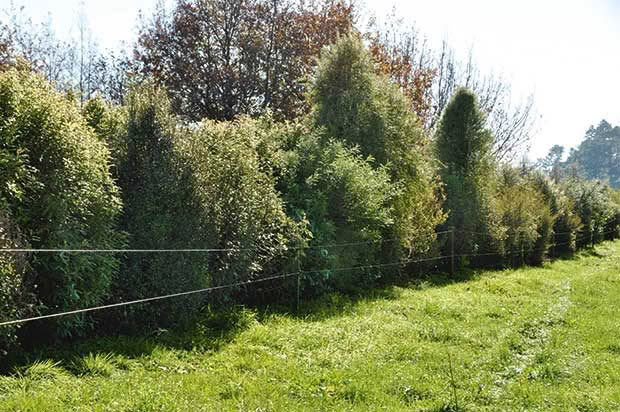
Stand at the top of a paddock in autumn and you’ll see two very different gardens at work. One’s a drift of manuka and toetoe, silver-green, moving with the wind like it’s part of the weather rather than planted into it. The other’s a hydrangea border going gold and rust at the edges, structured, deliberate, nothing left to chance. Both good. Both wrong for some jobs. Neither wrong for others.
It’s the question we get asked more than almost any other — usually somewhere between “what’ll look good here” and “what should I feel guilty about not planting.”
So which one’s actually better?
Neither. “Native or exotic” isn’t really a plant question. It’s a site-and-purpose question wearing a plant question’s clothes.
Ask it properly and it splits into smaller questions: What’s the wind doing here? Is the ground wet all winter or free-draining? Is this a screen, a display border, a windbreak, or habitat? What does the person living with it actually want to look at every day? Answer those and the native-or-exotic decision mostly makes itself.
What natives actually bring to the table
Grow south, plant north — stock raised in cold Southland conditions comes out the other end hardened for wherever it’s going. That’s the real case for natives here, and it’s not sentiment, it’s physiology.
Beyond hardiness: once established, most natives ask less of you. Less water, less feeding, less fuss. Kanuka and Corokia shrug off a Southland frost that’d flatten something soft. And there’s a genuine wildlife case — tui and bellbirds don’t visit a camellia hedge for the same reasons they visit flax and kowhai.
The trade-off: fewer flower-colour and bloom-timing options if a client wants a border that changes character through the seasons.
What exotics actually bring to the table
Choice, mostly. Bloom colour, timing, form — there’s a hydrangea or a rose for nearly any brief a client can describe. If someone wants a specific look copied from a magazine or a trip overseas, exotics usually get you there faster.
Some jobs also just need a plant natives don’t offer: a tight clipped hedge at a certain height, a particular fruiting tree, a groundcover that flowers hard for six weeks and then gets cut back. Fit the tool to the job, not the job to the tool.
How do you actually decide?
Work through it in this order, roughly:
Wind and frost first. What actually survives here without being hammered? Remember that there’s plenty of exotics equally as hardy as natives.
Drainage second. Pittosporum and Griselinia hate wet feet regardless of whether they’re native — match the plant to the ground, not the ground to the plant.
Purpose third. Screening, shelter, display border, production — each has a shortlist, and it’s rarely a pure native or pure exotic list.
Maintenance appetite fourth. Be straight with the client about what they’re actually signing up for once you’re gone.
Taste last, not first. It matters — just not before the ground does.
Can you mix them?
Yes — and most gardens that actually work are a mix. A native shelterbelt with an exotic display border tucked in the lee of it isn’t a compromise, it’s just good design. The purist “must be 100% native” or “must be 100% exotic” stance is more about the person’s identity than the plant’s performance.
The flexible answer is usually the right one. A designer or nursery who insists there’s only one correct plant for a spot — and won’t budge — is usually protecting their own certainty, not the client’s outcome.
Whichever way you land, the ground and the wind get the final say, not the label on the plant tag.

Comments