
Can an app actually tell you what's wrong with your plant?
Updated: Jul 22
Picture it: something's gone wrong on a leaf, you snap a photo, and thirty seconds later an app tells you exactly what it is and exactly what to spray. No ringing around, no waiting for someone at the garden centre to squint at a picture on your phone. Job done before your tea's gone cold.
That's the pitch, anyway. And to be fair, plant ID and pest-and-disease apps have come a long way — I've used a few myself, out of curiosity as much as anything. The question worth answering is where they actually earn their keep, and where they'll send you down the wrong track.
What are these apps genuinely good at?
Plain ID — naming the plant in front of you — they're solid at. Feed one a clear photo of leaf shape, flower and habit, and it'll usually get you to the right genus, often the right species. Handy at a friends house when they ask you to ID a plant they’re unsure of.
They're also a reasonable first filter on pests. A clear, close-up shot of aphids, scale or an obvious chewed leaf pattern will often get flagged correctly, and that's a really useful starting point before you go further.
Where do they fall over?
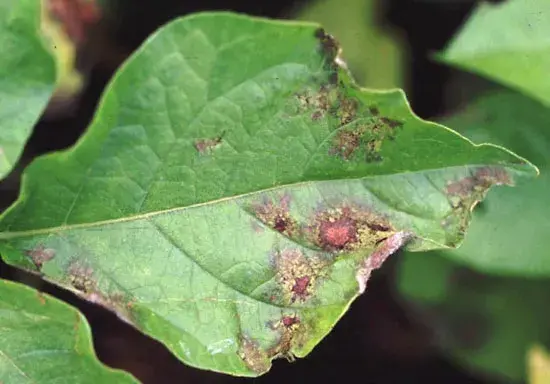
The moment it's not "what plant is this" but "why is my plant like this," the apps get shaky. And that second question is the one that actually matters, because most of what looks like disease in your garden isn't disease at all.
An app can't feel your soil. Wet feet on a Portuguese laurel looks a lot like a fungal problem on a photo — it isn't, it's drainage.
An app doesn't know your microclimate. The same yellowing could mean drought stress in Central Otago and waterlogging on the Southland coast — same symptom, opposite cause, opposite fix.
An app can't tell planting depth from a photo. Bury the collar too deep and the plant sulks for a year — no app will spot that from a leaf close-up.
This is where a grower's eye still wins, and it's not close. Someone who's grown the plant, in your region, in your ground, is reading the whole picture — placement, drainage, season, what's been happening the last fortnight. An app is reading one photo, out of context.
So is it worth having one on your phone?
Yeah, no harm in it. Use it as a first guess, not a verdict. If an app tells you it's a fungal leaf spot, that's a reasonable place to start reading — but if the plant's sitting in a low, wet corner of the property, I'd want to rule that out first, app or no app.
Where it actually saves you money is catching an obvious pest early — scale, aphids, the usual suspects — before it spreads. Where it costs you money is when you treat the symptom the app named and ignore the actual cause sitting under the plant.
The four questions worth asking before any app
Before you spray anything, run through these — they catch more real problems than any photo ever will:
Is it actually dead, or just sulking? Scratch a stem — green underneath means it's still in the game.
Is the ground wet or dry? Push a finger past the first knuckle before you blame a bug.
Was it planted at the right depth? The collar wants to sit level with the soil, not buried.
Is it even in the right spot for your patch — wet corner, dry bank, frost pocket?


Comments